ISO 50001 Energy Management Systems
Pursue sustainability goals with energy management certification
Improve energy efficiency with energy management system certification
A robust approach that unlocks long-term efficiency gains. ISO 50001 is the international standard for Energy Management Systems (EnMS) that has been designed to help organisations build a systematic approach to energy performance. Gaining the ISO 50001 certification from LRQA demonstrates your commitment to sustainable energy practices and compliance with local energy regulations, and is the key to cost savings further down the line.
Our ISO 50001 services
Our flexible certification and training services can be delivered on-site, remotely, or as a blend of both—enabling you to fit them around the needs of your business.
Training
Grow your knowledge of ISO 50001 with training courses that are designed to match your experience level and personal development goals.

Gap Analysis
Put your existing EnMS to the test and discover areas that need attention and improvement prior to undertaking your ISO 50001 audit.

Certification
A two-phase process that first validates your EnMS according to ISO 50001 and then assesses the effectiveness of it in meeting the standard, resulting in accredited certification.

Integrated Audit
Save time and money through an integrated audit and assessment program that covers all of your management systems holistically.
Benefits of ISO 50001 certification
An ISO 50001 Energy Management System helps you develop a systematic approach to energy performance, acquisition, and use.
According to ISO 50001:
- Organizations reduce both consumption and costs.
- They reduce risks by limiting dependence on external energy providers.
- Compliance with local energy legislation.
- Competitive advantage and greater stakeholder satisfaction.
- The key to achieving savings throughout the supply chain.
The ISO 50001:2018 standard places a strong emphasis on the continuous improvement of energy efficiency, with greater involvement from management and employees. The revised standard is expected to increase efficiency while reducing energy costs. This will enable organizations to reduce their environmental impact and strengthen their market position.
Why work with us?
Global capability
With a global network of qualified auditors, we operate everywhere you do, enabling us to provide you a local service with a consistent approach and dedication to excellence. Our people are subject matter experts with in-depth knowledge of energy management.

Flexible delivery
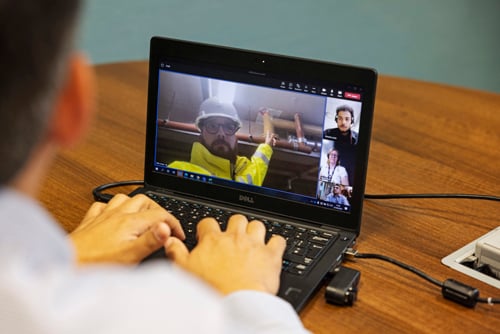
Our ISO 50001 training and certification services can be delivered on-site or remotely using secure and reliable technology. Regardless of which you choose, we deliver the same high-quality service and dependable results with the added benefits of flexibility, fast delivery, and access to global expertise with our remote service.
History of firsts
LRQA was the first organisation to receive UKAS accreditation to deliver certification for a wide range of standards globally. Today, we lead the way in the development of standards and frameworks across a variety of sectors.

Total assurance
Our service doesn’t stop at compliance. LRQA experts are true specialists who work to add value through an effective and robust audit of your system and by making appropriate recommendations to improve it and your business at the same time.

ISO 50001 certification process
The certification process is very similar to the general ISO certification process. The path your organization takes to achieve ISO 50001 Energy Management System (EnMS) certification often depends on your organization's level of maturity with respect to the scope of the standard and broader risk management.
1. Preparation and analysis:
The organization begins with an energy audit to map current energy consumption. This includes identifying areas for improvement and determining energy performance. LRQA can support you with an ISO 50001 gap analysis to investigate your situation.
2. Energy Management System (EnMS) Development:
Based on the audit results, the organization establishes an energy policy and defines objectives and action plans. Procedures and processes are implemented to integrate energy management into business operations.
3. Staff training:
From presentations and interpretations to internal and lead auditor training. LRQA offers a variety of training courses in the field of ISO 50001 and Energy Management Systems.
4. Implementation and monitoring:
Your organization carries out the established measures and monitors progress, such as tracking energy consumption, performance indicators, and continuous improvement.
5. Internal audit and management review:
Before external certification, the organization conducts an internal audit to verify compliance with ISO 50001. Management evaluates performance and makes improvements if necessary.
6. External certification audit:
An independent certification body conducts a two-phase audit: a document review and an on-site inspection. This determines whether the EnMS complies with ISO 50001.
7. Certification and continuous improvement:
If the assessment is positive, the organization receives ISO 50001 certification, valid for three years. Annual audits ensure that improvements are implemented and compliance is maintained.
For more detailed guidance on how to implement the standard, you can consult our ISO 50001 Implementation Guide.
Frequently Asked Questions – ISO 50001 Certification
What are the main changes and requirements of the ISO 50001:2018 standard?
Main changes and requirements of the ISO 50001 standard
The ISO 50001:2018 standard was published on August 21, 2018, and establishes the requirements for a data-driven process focused on the continuous improvement of energy performance. Certified organizations have three years to transition to the revised version.
The most relevant change is the introduction of Annex SL, a high-level structure that ensures compatibility with other standards related to Energy Management Systems such as ISO 9001 , ISO 14001 and ISO 45001 , simplifying integration.
The new version of ISO 50001 requires organizations to look beyond their own energy needs and consider external needs and existing risks. Risks and opportunities should be viewed as part of the high-level strategic direction that ensures the integration of energy management principles into the organization's structure.
The ISO 50001:2018 standard places greater emphasis on the continuous improvement of energy performance with increased involvement from management and employees. The revised standard also aims to improve efficiency and reduce energy expenditure, thereby enabling organizations to lessen their environmental impact and become more competitive.
Why work with LRQA to obtain ISO 50001 certification?
LRQA and ISO 50001 Certification
Independent
LRQA maintains its independence and impartiality in all services, including certification. We follow the same rigorous process to achieve the highest standards and the best possible results, ensuring client confidence in all our decisions.
Technical capacity
LRQA has many years of experience in the assessment and certification of Energy Management System standards. Our auditors are Management System experts qualified in environmental and energy management. They not only understand the potential of innovative ideas, but also apply that knowledge to their specific context to ensure both immediate and long-term impact.
How long does it take to obtain ISO 50001 certification?
The time required to obtain certification can vary depending on the complexity and size of the company. Typically, the complete implementation of an energy management system and passing the certification audit can take anywhere from a few months to a year.
How is an Energy Management System implemented according to the ISO 50001 standard?
Implementation includes assessing current energy performance, identifying opportunities for improvement, training staff, adopting energy-efficient technologies and practices, and setting continuous improvement targets.
What role does energy analysis play in ISO 50001 certification?
Energy analysis is essential for identifying opportunities to improve energy performance. It involves collecting and analyzing energy consumption data and identifying areas of significant consumption.
How is ISO 50001 certification maintained?
To maintain certification, the company must demonstrate continuous improvement in its energy performance and compliance with the standard's requirements. This includes regular audits and ongoing updates to the energy management system.
What is the difference between ISO 50001 and other energy certifications?
ISO 50001 focuses specifically on Energy Management Systems and provides a comprehensive framework for improving energy performance. Other certifications, such as ISO 14001, may cover broader environmental aspects, but they are not exclusively focused on energy.